
Medical weight loss · Spanish Fork, Utah
A smarter path
forward.
Personalized medical weight management that brings clinical evaluation, appropriate prescription options, lifestyle support, and consistent follow-up into one clear plan.
Movement is one part of a complete medical plan
Clinical evaluation
Health history, goals, medications, vitals, and appropriate screening.
Individualized options
Medication is considered only when clinically appropriate.
Brand-name clarity
Revival states it uses Zepbound through LillyDirect—not compounded tirzepatide.
Ongoing support
Progress, tolerance, habits, and next steps are monitored over time.
What is medical weight loss?
Weight is complex.
Your care should account for that.
Medical weight management uses a clinical evaluation to understand your health, the factors affecting weight, and whether prescription treatment may appropriately support a broader plan.
At Revival Aesthetics and Wellness, the process begins with your health history, current medications and supplements, weight experience, eating patterns, activity, sleep, goals, and relevant screening. A provider then discusses suitable options, expected limitations, risks, cost considerations, and follow-up.
Medication does not replace nutrition, movement, sleep, or behavior change. When prescribed appropriately, it can be one part of a comprehensive program for adults with obesity or certain adults with overweight and weight-related health concerns.3
A crash diet
The objective is a medically considered plan, not an extreme short-term restriction.
A medication guarantee
Prescription candidacy and response differ from one person to another.
A supported process
Evaluation, shared decisions, monitoring, and sustainable habits work together.
The Revival care pathway
Five phases.
One connected plan.
Select a phase to see how medical weight management moves from assessment to long-term strategy.
Begin with context
Understand the full starting point.
Your provider reviews your goals, weight history, medical conditions, current prescriptions, supplements, allergies, prior approaches, sleep, nutrition, activity, and relevant family history.
- Vitals and health screening
- Medication and supplement review
- Goals that extend beyond the scale
A meaningful distinction
Brand-name Zepbound.
Not compounded tirzepatide.
FDA-approved drugs are reviewed for safety, effectiveness, and quality before approval. Compounded drugs are not FDA-approved, and FDA does not verify their safety, effectiveness, or quality before they are marketed.2
Revival’s current page states that it uses Zepbound through LillyDirect and does not use compounded tirzepatide. LillyDirect lists Zepbound among the medicines available through its pharmacy pathway.56
Review the sourcesThe value of a medical program
More support.
More useful information.
Individualized planning
The plan reflects your medical context, needs, preferences, and realistic goals.
Appropriate screening
Health history, medications, contraindications, and relevant testing inform candidacy.
Appetite support
When appropriate, certain medications may help reduce hunger or help you feel full sooner.3
Progress monitoring
Follow-up creates space to evaluate response, side effects, adherence, and next steps.
Lifestyle integration
Nutrition, movement, sleep, and behavior remain part of the strategy—not an afterthought.
Plan adjustments
Your provider can revisit the approach when response, tolerability, access, or goals change.
Who may be a candidate?
Eligibility is clinical.
It is never one number alone.
BMI is commonly used as a screening measure, but it does not tell the whole story. A provider considers your broader health profile, medication-specific labeling, goals, risks, and alternatives.
Find out if you qualify (opens in a new tab)- An adult with obesity
- An adult with overweight and a weight-related health condition
- Difficulty achieving or maintaining clinically meaningful progress with lifestyle changes alone
- Interest in a medically supervised, longitudinal plan
- Pregnancy, plans for pregnancy, or breastfeeding
- Personal or family history relevant to a medication’s contraindications
- Cardiovascular, endocrine, gastrointestinal, kidney, gallbladder, or pancreatic history
- Diabetes medications, other weight-loss products, or medications with interaction concerns
General examples only. They are not a complete list of indications or contraindications and cannot determine eligibility.
Progress beyond a single weigh-in
What gets monitored
can guide what comes next.
- 01
Weight trend
Change over time, not one isolated day.
- 02
Vitals & clinical data
Measurements and labs as appropriate to the patient and treatment.
- 03
Appetite & eating patterns
Hunger, fullness, hydration, and day-to-day nutrition.
- 04
Tolerance
Side effects, administration questions, and medication adherence.
- 05
Non-scale progress
Energy, mobility, consistency, confidence, sleep, and other personally meaningful goals.

Questions are part of good care.
What happens after treatment begins?
Follow-up is not an extra.
It is part of the treatment.
Appointment frequency depends on the medication, dose-escalation schedule, response, side effects, clinical findings, and the provider’s plan. Follow-up may include reviewing progress, checking vitals or laboratory information when appropriate, reinforcing medication technique, and adjusting or discontinuing treatment.
Long-term weight management also includes the habits that support health outside the clinic. Medication can help some people, but it works best as part of a lifestyle program.3
Your questions, medication and supplement updates, side-effect notes, progress observations, and any changes in your health.
Meet the founder
Experience that sees
the whole patient.
Naomi “Shea” Nielsen, MSN, NP-C, is Revival’s founder and a board-certified nurse practitioner. Her more than 20 years of medical experience span trauma, plastic surgery, intensive care, and neurosurgery before she devoted her full practice to Revival.
Shea’s approach brings clinical experience together with a welcoming, individualized patient experience. Medication decisions and follow-up are based on the patient in front of her—not a one-size-fits-all protocol.
Meet Shea Nielsen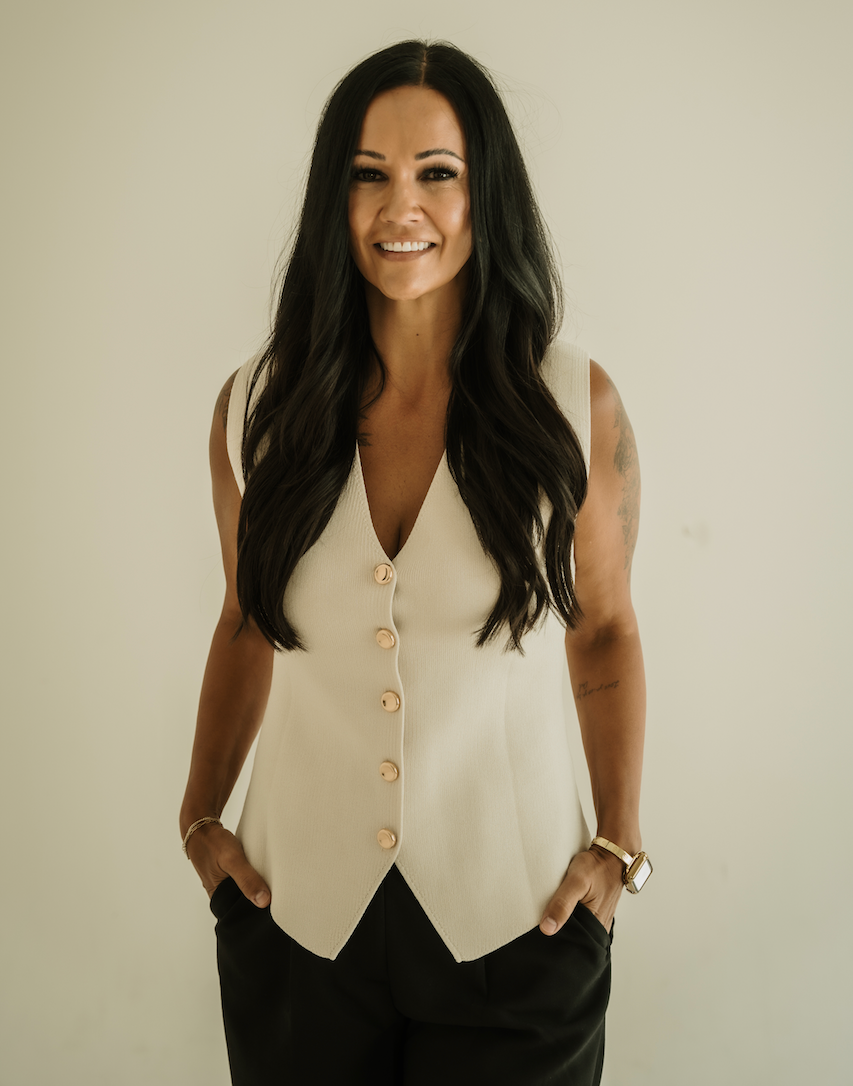
MSN, NP-C
Medication safety
Informed care starts
before the first dose.
This section highlights selected considerations. It does not replace the complete prescribing information, Medication Guide, or instructions from your Revival provider.
Tell your provider about every medical condition, prescription, over-the-counter product, vitamin, supplement, allergy, prior weight-loss medication, and any pregnancy or pregnancy plans. Never combine weight-loss products unless the prescriber specifically directs it.
Zepbound boxed warning and contraindication
Zepbound carries a boxed warning about the risk of thyroid C-cell tumors observed in rats; whether it causes these tumors in humans is unknown. It is contraindicated in patients with a personal or family history of medullary thyroid carcinoma or Multiple Endocrine Neoplasia syndrome type 2, and in patients with a serious hypersensitivity to tirzepatide or its excipients.1
Selected Zepbound warnings and side effects
The current label includes warnings and precautions involving severe gastrointestinal reactions, acute kidney injury due to volume depletion, gallbladder disease, pancreatitis, hypersensitivity, hypoglycemia with certain diabetes therapies, diabetic retinopathy complications in patients with type 2 diabetes, and aspiration risk during anesthesia or deep sedation. Common adverse reactions include nausea, diarrhea, vomiting, constipation, abdominal pain, indigestion, injection-site reactions, fatigue, allergic reactions, belching, hair loss, and reflux. Review the full current label.1
Pregnancy, procedures, and other medications
Weight-loss medications should not be used during pregnancy. Tell the prescriber if you are pregnant, planning pregnancy, breastfeeding, taking diabetes medicines, or planning surgery or a procedure requiring anesthesia or deep sedation. Tirzepatide delays gastric emptying and may affect absorption of oral medications; the label also contains specific guidance for oral hormonal contraceptives.1
Phentermine requires different screening
Phentermine labeling lists contraindications including cardiovascular disease or uncontrolled hypertension, hyperthyroidism, glaucoma, agitated states, a history of drug abuse, pregnancy, nursing, and use during or within 14 days of monoamine oxidase inhibitors. It is a Schedule IV controlled substance and is labeled for short-term use. This is not the complete label.4
When to contact a clinician
Ask your Revival provider for medication-specific instructions about expected effects, concerning symptoms, after-hours contact, and emergency care. Seek urgent medical attention for severe or rapidly worsening symptoms, breathing difficulty, facial or throat swelling, or another possible medical emergency.
Medical weight loss FAQ
Good decisions begin
with clear answers.
These answers are general. Your consultation and the current label for the exact medication determine the guidance that applies to you.
Ask in consultation (opens in a new tab)What is medical weight loss?
Medical weight loss is clinician-guided weight management. It may include health screening, lifestyle support, prescription medication when appropriate, progress monitoring, and changes to the plan based on response and tolerance.
Does Revival use compounded tirzepatide?
Revival’s current service page states that it uses brand-name Zepbound through LillyDirect and does not use compounded tirzepatide. Confirm the current fulfillment process during your consultation.5
What is Zepbound?
Zepbound is the brand name for tirzepatide, a GIP and GLP-1 receptor agonist. It is FDA-approved with a reduced-calorie diet and increased physical activity for long-term weight reduction and maintenance in qualifying adults.1
How is Zepbound taken?
Zepbound is injected beneath the skin once weekly. It uses a gradual dose-escalation schedule intended to reduce gastrointestinal adverse reactions. Follow only the prescription and product instructions provided for your exact presentation.1
Who may qualify for prescription weight management medication?
Many FDA-approved chronic weight-management medicines are indicated for adults with a BMI of 30 or greater, or 27 or greater with at least one weight-related health condition. The exact criteria, contraindications, and appropriateness depend on the medication and individual evaluation.3
How much weight will I lose?
No specific result can be promised. Response varies with the medication, dose, starting health, adherence, lifestyle program, treatment duration, and individual biology. Your provider will define how progress and clinical benefit will be evaluated.
How soon will I notice results?
Timing varies. Dose escalation, side effects, appetite response, and weight trend unfold differently for each person. Medical weight management should be evaluated over time rather than judged by an immediate change.
How long will I stay on medication?
It depends on the medication, whether it is helping, tolerability, safety, goals, and clinical guidance. Some medicines are approved for chronic use while phentermine alone is labeled only for short-term use. Do not stop or change a prescription without discussing it with the prescriber.3
What side effects can GLP-1–based medications cause?
Side effects are product-specific. Zepbound’s common adverse reactions include nausea, diarrhea, vomiting, constipation, abdominal pain, indigestion, injection-site reactions, fatigue, allergic reactions, belching, hair loss, and reflux. Serious risks and contraindications also apply; review the current label and your provider’s instructions.1
What is phentermine?
Phentermine is an oral sympathomimetic appetite suppressant and Schedule IV controlled substance. Its labeling describes short-term use as an adjunct to caloric restriction, exercise, and behavior modification for qualifying patients. It is not suitable for everyone.4
Will insurance cover medical weight loss medication?
Coverage varies by plan, medication, indication, prior-authorization requirements, and pharmacy benefit. Contact your insurer for current coverage details. LillyDirect may provide prescription fulfillment and support pathways for eligible prescriptions, but it does not guarantee coverage or affordability.6
How do I book medical weight loss in Spanish Fork?
Use Revival’s online booking system or call (385) 344-9265. Revival is located at 1179 S Main St #104, Spanish Fork, UT 84660.
Clinical references
Sources & medical context
- 01U.S. Food and Drug Administration — Zepbound Prescribing Information, revised February 2026
Current indication, dosing, boxed warning, contraindications, warnings, precautions, adverse reactions, and medication guidance.
Read the FDA label (opens in a new tab) - 02U.S. Food and Drug Administration — Concerns with Unapproved GLP-1 Drugs Used for Weight Loss
FDA information on approval status, dosing concerns, adverse-event reports, counterfeit products, and illegally marketed versions.
Read FDA guidance (opens in a new tab) - 03National Institute of Diabetes and Digestive and Kidney Diseases — Prescription Medications to Treat Overweight & Obesity
Patient education on candidacy, medication classes, lifestyle integration, monitoring, duration, and treatment considerations.
Read NIDDK guidance (opens in a new tab) - 04DailyMed / National Library of Medicine — Phentermine Hydrochloride Label
Official labeling covering short-term indication, individualized dosing, contraindications, warnings, and controlled-substance status.
Read the phentermine label (opens in a new tab) - 05Revival Aesthetics and Wellness — Current Weight Loss Service Information
Clinic-specific statement that Revival uses Zepbound through LillyDirect rather than compounded tirzepatide.
View the current service page (opens in a new tab) - 06Eli Lilly — LillyDirect Pharmacy
Manufacturer information listing Zepbound among available medicines and explaining its prescription support and pharmacy pathway.
Visit LillyDirect (opens in a new tab)
Educational content checked against sources accessed August 5, 2026. Final clinical and operational copy should be reviewed by Revival’s treating clinician and updated whenever medication labeling, availability, or clinic protocols change.
Medical weight loss in Spanish Fork
Start with a plan
built for your life.
Schedule a personalized medical weight management consultation at Revival Aesthetics and Wellness.
Book your consultation (opens in a new tab)Call (385) 344-9265